Lessons on Mountain Climbing
Emily Harrington grew up with two boy cousins who challenged her to outperform them. From water skiing to hiking, camping, and downhill skiing, she wasn’t afraid to try anything. When she was 10, Emily’s family went to a festival in Boulder. There was a climbing wall for kids. Her cousins scaled the edifice pretty easily. Emily rose to the challenge and got up the wall even faster. This experience fueled Emily’s fire. Emily joined national junior climbing teams and ultimately won 5 national championships.
But Emily harbored a secret. Emily developed an eating disorder based on her belief that the smaller she was, the faster she could climb. But her tiny frame could only get her so far before her restrictive diet and lack of muscle caused issues as she began mountain climbing.
Emily’s body simply wasn’t capable of doing what was necessary for the sport.
I learned about Emily’s story while watching an excellent documentary titled Girl Climber while rehabbing from my latest injury.
You heard it right. The latest injury. I had just healed from a bone chip in my right foot from extensive hiking while in North Carolina when I hurt myself again. I developed pain in my right shoulder after an overzealous technician performing my mammogram kind of squished part of my shoulder. A month later, while walking Luna, our 12-year-old Labrador, she zigged in front of me, and I caught my left toe on an uneven sidewalk. As if in slow motion, I saw my hands extended toward the ground and thought, ‘I’m playing in a golf tournament in two days, and I can’t break a hand or wrist.’ So, I caught the brunt of the fall on my left knee and forearm. I got a little scrape on my knee, but otherwise I thought it was fine. I didn’t bruise; I didn’t really even feel any pain.
Until two days later, when I was playing in that golf tournament and on the back 9, both of my shoulders, my left one especially, started screaming at me. It was a team event, and my partner was new to the competition, and I just couldn’t see quitting. It didn’t seem right.
Lesson #1 in this cautionary tale is that in both instances when my foot hurt in North Carolina and when my shoulder hurt on the golf course, I should have stopped.
The second lesson is one that I learned through watching that documentary on Emily. I’ve been guilty of not preparing my body properly for what I put it through. I’m learning in the harshest of ways that I can no longer just go out and do an hour-long kayaking ride into strong headwinds, take a 15-mile bike ride, or even play golf without preparation. Much less on the same day.
I’ve gotten away from doing yoga, Pilates, and strength training to support my older muscles. Now, as a result, I must face the consequences.
I have my own mountain to climb as I’ve had one surgery on a completely torn supraspinatus rotator cuff muscle in my left shoulder and am facing surgery on my right, likely in December. After each operation, I have to remain in a sling for six weeks and can only take gentle walks. I will begin physical therapy once the sling comes off, ultimately taking four to six months after the last surgery to be completely healed.
The physical challenges are half of it. The emotional toll is tough too. I am fiercely independent. My husband Brad has been incredible doing simple tasks for me, like replacing the toilet paper roll and twisting open medicine bottles. He is doing all the cooking because I only have one hand to work with. I’m dangerous enough cutting things up with two hands, let alone only one. This is very humbling.
Family and friends have been amazing too, checking in on me and bolstering my spirits.
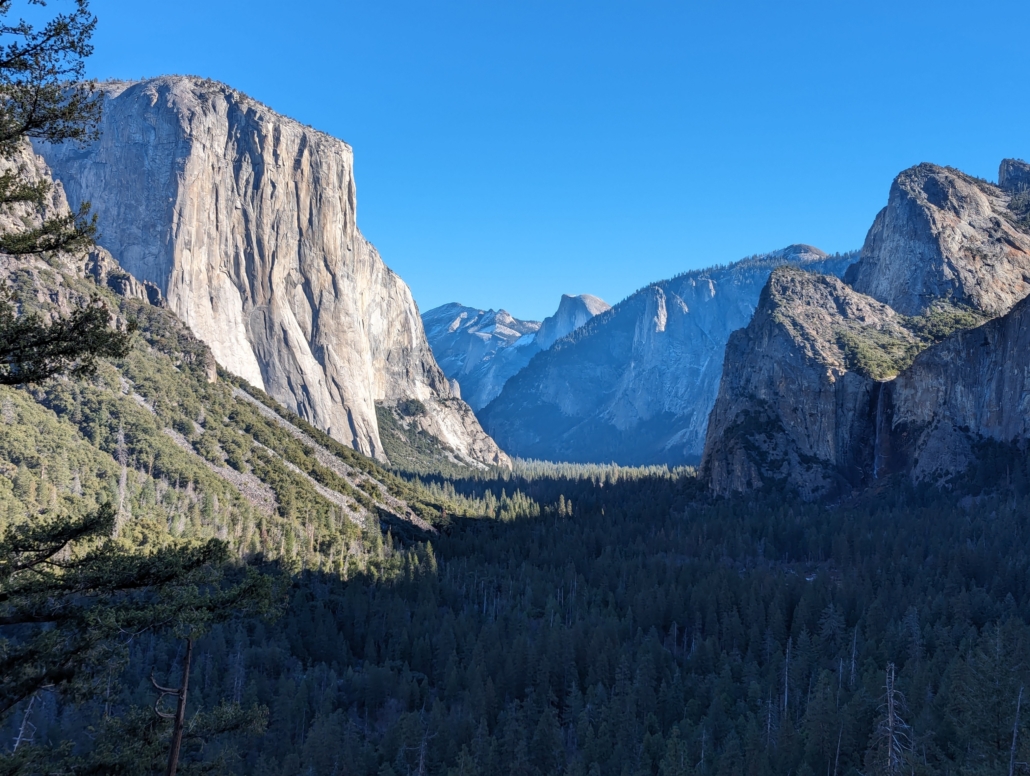
Emily went on to accomplish her goal of becoming the first woman to free climb El Capitan in Yosemite National Park in less than 24 hours. She did it through hard work, intense training, and work on her emotional well-being. She learned that the process was literally step by step, and after completing each separate stage, each pitch, she just had another one to go on to.
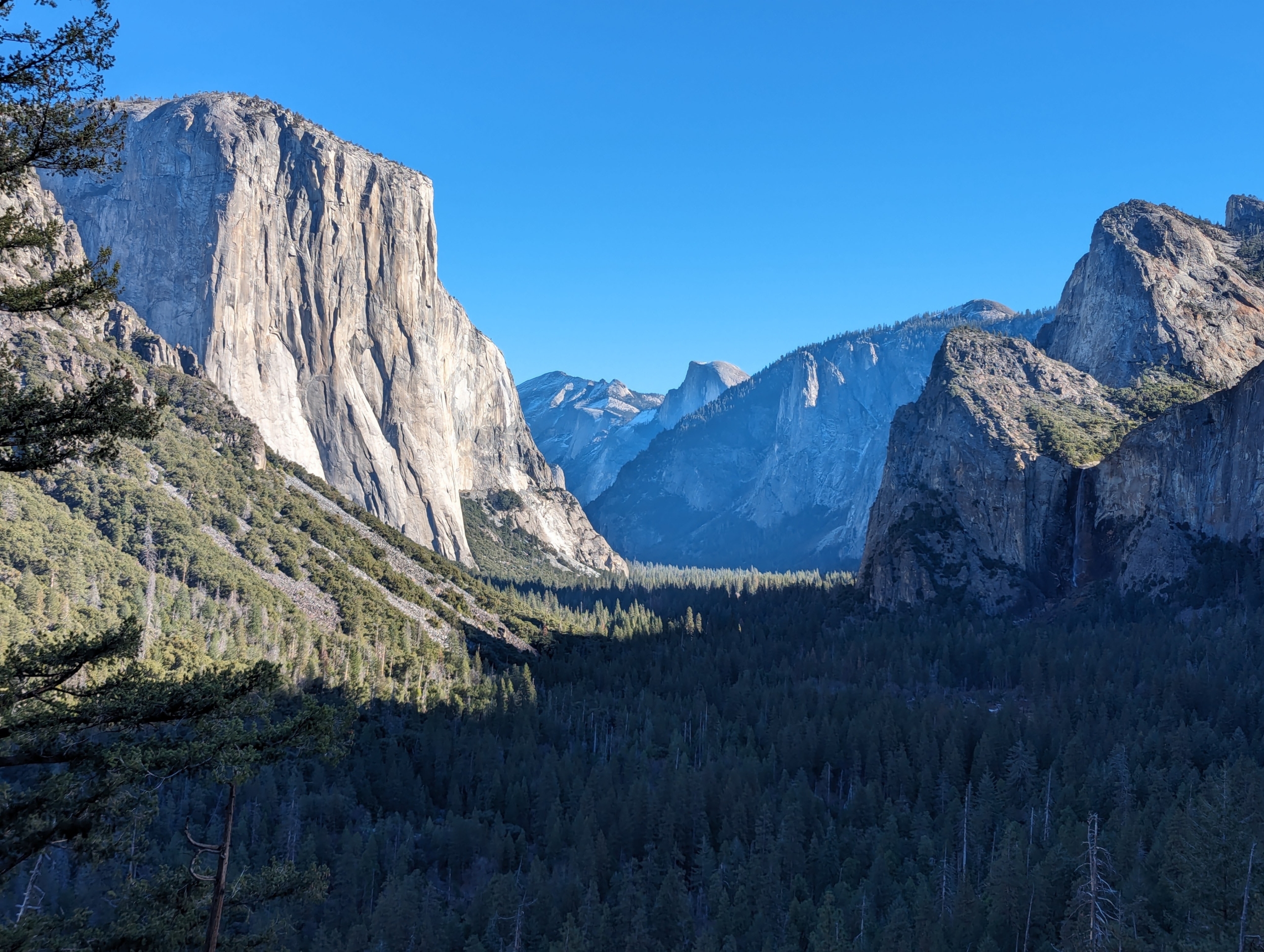
Photo credit: Brad Rubini
I can’t even begin to compare this set back to scaling El Capitan.
But my recovery process is the same. One step at a time, focus on the positive, do the work to heal, and continue to feed my typical positive mindset.
After all, I still have plenty of mountains left to climb.